


How to choose a big bag: what to look for

A big bag (also FIBC — Flexible Intermediate Bulk Container) is a flexible polypropylene container for transporting and storing bulk materials. In this article, we will analyze the key parameters that will help you choose the optimal container for your tasks.
Types of big bags by design
Depending on the lifting and fastening method, there are several main types of flexible containers:
Two-loop big bags
Two lifting loops. Suitable for loads up to 1000 kg. Economical option.
Four-loop big bags
Four loops — maximum stability. Load capacity up to 3000 kg.
Ribbon big bags
Ribbon loops instead of standard ones. Even load distribution.
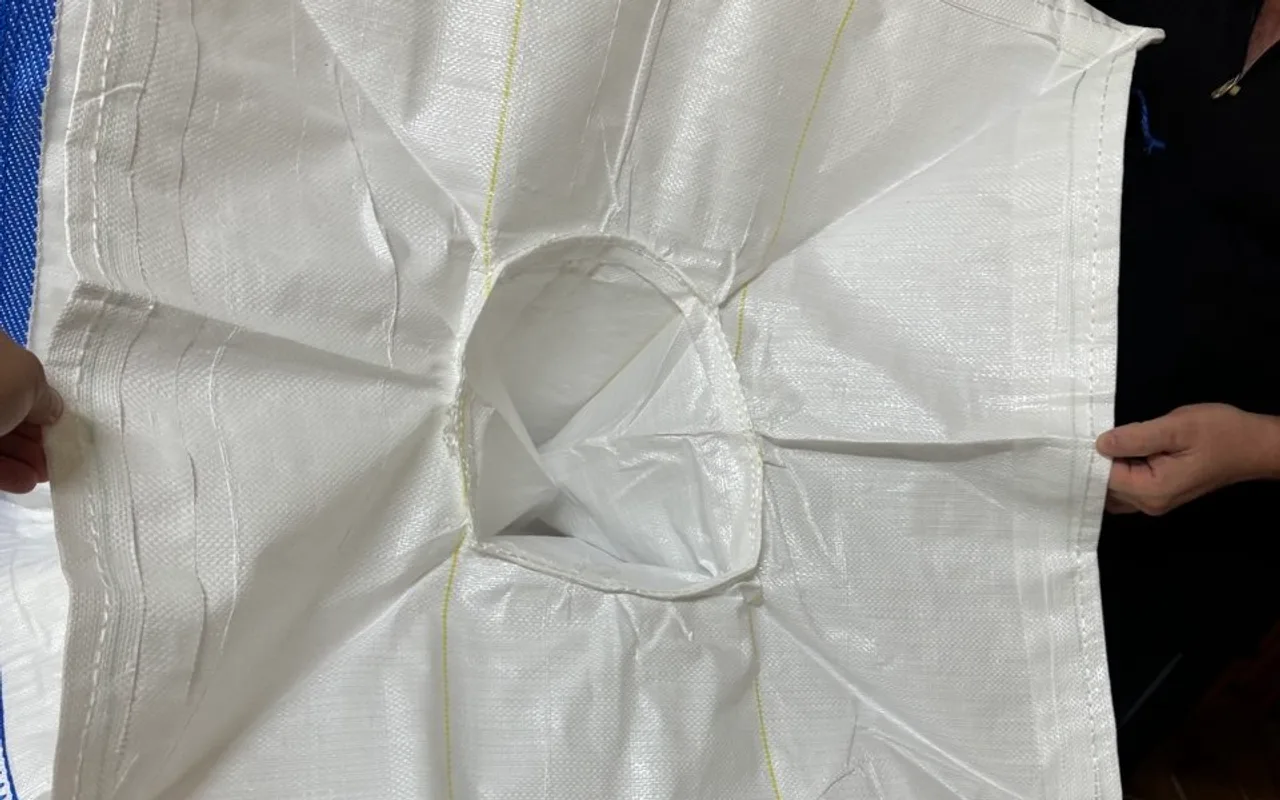
With a discharge spout
Valve at the bottom for convenient unloading. Ideal for production lines.
Characteristics: what to look for
| Parameter | Value | Note |
|---|---|---|
| Load capacity | 300–3000 kg | Depends on the number of loops and fabric density |
| Material | Polypropylene | Resistant to UV, chemical exposure, temperatures up to 120°C |
| Dimensions | From 60×60×100 to 100×100×200 cm | Custom sizes available |
| Safety factor | 5:1 or 6:1 | The container withstands a load 5-6 times greater than the nominal one |
| Standard | ISO 21898-2004 | International quality standard for FIBC |
What to look for when choosing a supplier
The quality of a big bag directly affects the safety of transportation, so choosing a supplier should be approached responsibly. Here are the main criteria:
- ✔Product certification according to the ISO 21898-2004 standard — a confirmation of compliance with international safety norms
- ✔The possibility of manufacturing in custom sizes — standard containers do not fit all tasks
- ✔Warranty and product documentation — quality passport, test reports
- ✔Delivery terms and logistics — deadlines, minimum batches, shipping geography
- ✔Additional components: polyethylene liners, top and bottom spouts, protective tape
What the cost of a big bag depends on
Understanding pricing factors will help plan the budget and avoid overpaying. The cost is affected by:
- ✔Container size — the larger the volume, the more material is needed for production
- ✔Number of loops (2 or 4) — four-loop models are more complex to produce
- ✔Polypropylene fabric density — higher density provides greater load capacity but increases the cost
- ✔Presence of spouts (filling, discharge) — every additional structural element increases the price
- ✔Order volume — with large batches, the unit cost decreases
- ✔Usage type (single-trip or multi-trip) — multi-trip big bags are made of denser material
Application areas of big bags
Conclusion
Choosing a big bag comes down to a few key decisions: construction type (2- or 4-loop), required load capacity, presence of spouts, and compliance with the ISO 21898 standard. For food products, it is important to ensure the container has the appropriate certificate. Consider storage and transportation conditions — this will help you choose the optimal fabric density and safety factor. Compare offers from several suppliers, paying attention not only to the price but also to documentation, warranties, and delivery terms.
Now you know the selection criteria — time to act. Order big bags from the manufacturer right now: our manager will help you pick the right design for your cargo, confirm the technical parameters and quote a price before you commit to an order.